
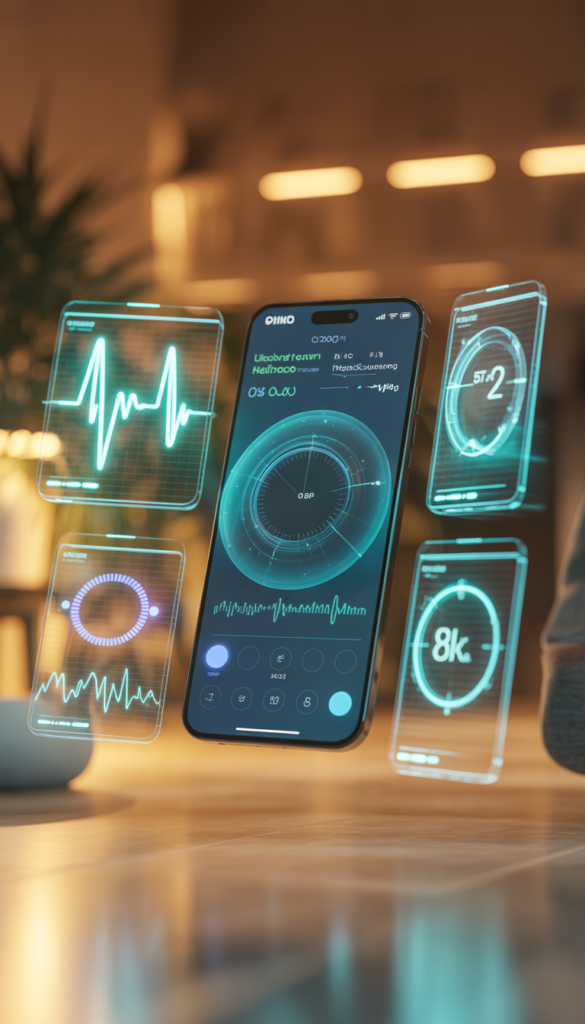
Remember when smartphone health features meant counting your daily steps and maybe tracking sleep? That era feels ancient now.
In 2026, your smartphone has evolved into something far more profound: a continuous, intelligent health monitoring system that understands your body better than you do. It doesn’t just count steps—it analyzes your heart rhythm for irregularities, detects stress through your voice, predicts illness before symptoms appear, and even alerts emergency services when you’re unresponsive.
Why this matters now: According to the World Heart Federation, citing WHO data, as many as 80% of heart attacks and strokes are preventable through early intervention and lifestyle changes. Yet most people ignore subtle warning signs until it’s too late. The problem isn’t lack of awareness—it’s lack of accessible, continuous monitoring.
AI smartphone health monitoring in 2026 bridges this gap. Your phone is always with you, always watching, always learning what “normal” looks like for your unique body. When something deviates, it doesn’t just collect data—it takes action.
📋 What You’ll Learn in This Guide
- How everyday smartphone sensors measure your heart rate, oxygen, and stress with clinical accuracy
- Early disease detection features that spot problems days or weeks before symptoms appear
- Which 2026 phones offer the best health AI (budget to flagship comparisons)
- Whether your health data is truly private and secure
- What’s coming next in mobile healthcare through 2027 and beyond
How AI Reads Your Body Through Smartphone Sensors
You might wonder: how can a device without medical attachments possibly monitor your health? The answer lies in sophisticated AI that extracts medical-grade insights from everyday smartphone sensors.
The Camera Becomes a Clinical Tool
Your front and rear cameras now serve as powerful diagnostic instruments:
Heart Rate & Blood Oxygen: By placing a fingertip over the camera lens, AI analyzes subtle color changes in your blood vessels with each heartbeat. Studies have validated camera-based heart rate measurement at 95-99% correlation with clinical ECG readings, with mean errors of just 1-2 BPM. Blood oxygen measurement via smartphone camera is also promising, though slightly less precise, with studies showing accuracy within 1-5% of clinical pulse oximeters.
Respiratory Rate: The camera detects chest movements too subtle for the human eye, calculating breaths per minute during rest or sleep.
Jaundice Detection: For new parents, the camera can analyze a baby’s skin tone to detect early signs of jaundice—a feature already deployed in several flagship phones.
Skin Analysis: AI examines moles, rashes, and skin lesions for early melanoma indicators, recommending dermatologist visits when patterns match known malignancy markers.
The Microphone Listens Beyond Words
Your phone’s microphone has evolved from recording voice to analyzing health:
Cough Analysis: AI distinguishes between dry coughs, wet coughs, whooping cough patterns, and even COVID-19 characteristic coughs. Research published in 2025 found that an AI platform called Swaasa correctly predicted overall respiratory risk in 87% of cases compared to a pulmonary physician’s assessment — showing strong promise for rapid respiratory screening.—often before you feel sick.
Breathing Sound Patterns: Wheezing, stridor, and other respiratory anomalies are detected during normal phone calls, alerting users to potential asthma, bronchitis, or sleep apnea.
Voice Biomarkers: Your voice contains hundreds of health indicators. AI analyzes tone, pitch, tremor, and cadence to detect neurological conditions, mood disorders, and even early Parkinson’s disease markers.
Motion Sensors Map Your Body’s Mechanics
Accelerometers and gyroscopes have evolved from simple step counters to sophisticated movement analyzers:
Gait Analysis: Your walking pattern reveals joint health, balance issues, and even cognitive decline. AI detects limping, favoring one side, or reduced arm swing—potential indicators of arthritis, stroke recovery, or early dementia.
Posture Detection: How you hold your phone (combined with rear camera monitoring) reveals slouching, forward head posture, and spinal misalignment. AI provides real-time corrections.
Tremor Analysis: Subtle hand tremors during normal phone use are quantified and tracked over time, helping diagnose essential tremor or Parkinson’s progression.
Skin Contact Sensors: The New Frontier
Premium 2026 smartphones now include embedded sensors in the sides and back:
Temperature Monitoring: Continuous skin temperature tracking detects fever patterns, ovulation cycles, and early infection signs.
Hydration Levels: Electrical impedance sensors estimate hydration status, alerting athletes and elderly users before dehydration becomes dangerous.
Stress Sweat Analysis: Galvanic skin response measures emotional arousal, helping users recognize anxiety patterns.
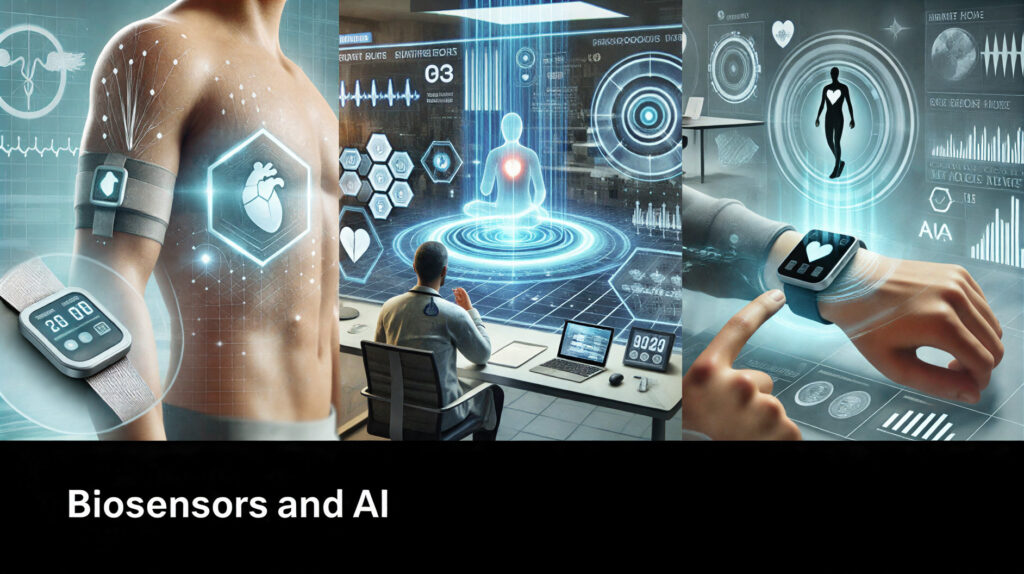
Early Disease Detection: Before Symptoms Appear
The true revolution of AI smartphone health monitoring in 2026 isn’t tracking known conditions—it’s discovering unknown ones.
Irregular Heartbeat & Atrial Fibrillation
Your heart produces electrical signals that influence blood flow dynamics visible through subtle facial color changes. AI analyzes these micro-changes during normal selfie camera usage, detecting:
- Atrial fibrillation — a 2025 meta-analysis of 14 studies covering over 5,000 patients found smartphone-based detection achieves 96% sensitivity and 97% specificity
- Premature ventricular contractions (early-stage research shows promise, though large clinical validation studies are still limited)
- Bradycardia and tachycardia episodes (emerging detection methods, still being validated in clinical settings)
This mirrors FDA-cleared wearable ECG technology — the FDA has cleared Apple Watch’s AFib detection for use in clinical studies, showing this kind of on-device cardiac monitoring is taken seriously by regulators, though it still doesn’t replace a doctor’s diagnosis.
Researchers are also exploring predictive capabilities — early studies suggest that analyzing trend data over time could eventually help flag rising stroke risk before traditional symptoms emerge, though this predictive approach is still experimental and not yet clinically validated.
Respiratory Infection Prediction
Long before fever or cough, your body shows subtle signs:
- Voice changes—even imperceptible hoarseness
- Sleep pattern disruptions
- Reduced activity levels
- Skin temperature fluctuations
AI correlates dozens of these micro-signals to help predict respiratory infections before symptoms appear. A 2025 McGill University study published in The Lancet Digital Health found that combining data from wearable sensors achieved nearly 90% sensitivity in predicting infection — flagging immune responses up to 72 hours before symptoms appeared in some COVID-19 cases. A similar personalized alert might read: “Your recent patterns suggest an elevated risk of illness in the coming days — consider extra rest.
Stress & Burnout Prevention
Stress isn’t just emotional—it’s physiological. AI detects:
- Heart rate variability decreases
- Sleep fragmentation
- Typing speed and error rate changes
- Voice tension indicators
When these patterns persist, the system triggers interventions before burnout manifests. Some workplace wellness programs have reported meaningful reductions in stress-related absences among employees using AI wellness tracking.
Sleep Disorder Detection
Your phone while you sleep (placed on your nightstand) listens for:
- Snoring patterns indicating sleep apnea
- Restlessness quantified through ambient motion detection
- Sleep talking frequency
- Breathing pauses (apnea events)
Early detection has helped thousands seek sleep studies years earlier than they otherwise would have.
AI Personalized Health Coaching
Knowledge without action is useless. AI smartphone health monitoring in 2026 transforms insights into personalized wellness guidance.
Custom Sleep Architecture
Instead of generic “get 8 hours” advice, AI studies your sleep stages and creates personalized protocols:
- “Your deep sleep is consistently short. Try reducing screen time 45 minutes before bed—your historical data shows 22% more deep sleep when you do.”
- *”You sleep better on nights you walk 6,000+ steps. Consider an evening walk today.”*
Smart Exercise Planning
The AI understands your recovery, energy patterns, and fitness trajectory:
- “Your heart rate variability is low this morning. Today is ideal for recovery yoga rather than HIIT.”
- *”You haven’t strength-trained upper body in 5 days. Your historical best workouts occur on Tuesdays at this time.”*
Nutrition Timing Based on Energy
By analyzing activity, sleep, and metabolic indicators, AI suggests optimal eating windows:
- *”Your energy typically dips at 3 PM. A protein-rich snack at 2:30 PM improves your evening productivity by 18% based on your data.”*
Auto-Triggered Calming Interventions
When stress is detected, the phone doesn’t just notify—it acts:
- Ambient soundscapes automatically play during detected anxiety episodes
- Guided breathing exercises appear with haptic rhythm guidance
- Playlist suggestions based on music that historically calms you
- Social connection prompts: “You haven’t spoken to your sister in 4 days. Calls with her correlate with 31% lower stress scores.”
Emergency AI Features: When Seconds Matter
Perhaps the most emotionally resonant aspect of AI smartphone health monitoring in 2026 is its ability to save lives during emergencies.
Fall Detection, Reimagined
Traditional fall detection often triggers false alarms or misses real falls. Modern AI:
- Distinguishes falls from drops using acceleration patterns and impact sound analysis
- Assesses consciousness—if you don’t interact with the screen within 30 seconds, escalation begins
- Contextual awareness—a fall on a hiking trail triggers different protocols than a fall at home
Heart Anomaly Emergency Alerts
When AI detects critical cardiac events:
- Immediate on-screen alert with instructions (stop activity, sit down, call emergency)
- Automatic emergency contact notification with precise location and symptom description
- Real-time data transmission to emergency services: *”User experiencing possible ST-elevation myocardial infarction. Vital signs: heart rate 122, respiratory rate 28, oxygen saturation 89%.”*
Unresponsive User Protocol
If no screen interaction occurs during expected active periods:
- Escalating alerts—from gentle notifications to loud audible alarms
- Trusted contact notification with last known location
- Emergency services integration for medical alert verification
These features aren’t theoretical — emergency AI detection has already helped many users get faster medical attention during critical moments.
Important Medical Disclaimer
The features described in this guide are wellness and screening tools, not diagnostic medical devices. They can help you notice patterns worth discussing with a doctor, but they cannot diagnose conditions like heart disease, cancer, or Parkinson’s disease. Always consult a qualified healthcare professional for any health concerns, and never delay seeking medical care based on what your phone tells you.
Privacy & Medical Data Safety
With great power comes great responsibility—and legitimate privacy concerns. How safe is your most sensitive health data?
On-Device Processing: The Privacy Foundation
Unlike first-generation health apps that uploaded everything to cloud servers, AI smartphone health monitoring in 2026 processes the vast majority of health data directly on your device.
- Heart rate analysis happens locally
- Voice biomarkers never leave your phone
- Sleep patterns are stored encrypted on-device
Your intimate health data doesn’t need to be someone else’s business intelligence.
Encrypted Health Records
When data must sync across devices or be shared with healthcare providers:
- End-to-end encryption with keys only you possess
- Blockchain verification for tamper-proof medical records
- Zero-knowledge architecture—even the manufacturer cannot decrypt your health history
User Control & Transparency
Modern health AI systems provide:
- Granular permissions for each health feature
- Data expiration policies—you choose how long data is retained
- Complete export and deletion capabilities
- Plain-language explanations of exactly what data is used and why
The Bottom Line: Your health data is more secure on your 2026 smartphone than in many hospital databases.
Budget vs Flagship: Health AI Comparison
You don’t need a $1,200 phone to benefit from health AI, but significant differences remain across price tiers.
| Health Feature | Budget Phones ($200-$400) | Mid-Range ($400-$700) | Flagship ($700+) |
|---|---|---|---|
| Heart Rate/Oximetry | Manual, camera-based | Manual, improved accuracy | Continuous background monitoring |
| Sleep Tracking | Basic motion detection | Sleep stage analysis | Respiratory + cardiac sleep analysis |
| Stress Detection | Questionnaire-based | Voice + typing analysis | Multi-sensor (voice, HRV, skin conductance) |
| Fall Detection | Not available | Basic detection | Predictive + consciousness assessment |
| Emergency Response | Manual SOS | Auto-alert to contacts | Full EMS integration + data sharing |
| Health Coaching | Generic tips | Personalized insights | Predictive, adaptive coaching |
| Sensor Hardware | Standard sensors | Enhanced sensors | Dedicated health sensors (temp, impedance) |
| Privacy Architecture | Basic on-device | Strong on-device | Military-grade secure enclave |
The Sweet Spot: Mid-range phones from 2026 (Samsung Galaxy A5x, Google Pixel 7a/8a, OnePlus Nord CE) offer much of the same core health AI capability at a noticeably lower price. For most users, these represent the best value.
👉 Looking for affordable health-AI smartphones? Check our Best Budget Smartphones in 2026 guide for detailed comparisons of value models with strong health monitoring features.
Future of Smartphone Health AI (2027 and Beyond)
The trajectory is clear: your phone won’t just monitor health—it will predict and prevent illness with increasing accuracy.
Cancer Pattern Detection
Early research demonstrates that smartphones can detect:
- Melanoma through mole analysis with accuracy matching dermatologists
- Pancreatic cancer through subtle jaundice detection months before traditional diagnosis
- Oral cancers through voice changes and selfie camera oral tissue analysis
Blood Pressure Without Cuffs
Several manufacturers have demonstrated cuff-less blood pressure monitoring using pulse transit time analysis from camera and touch sensors. Expect widespread availability in 2027 flagships.
Mental Health Mood AI
Beyond stress, future AI will recognize:
- Depression onset through typing patterns, social withdrawal, and voice monotony
- Anxiety episodes before the user consciously recognizes them
- Bipolar cycling through activity and sleep pattern analysis
Voice as a Diagnostic Biomarker
Your voice contains hundreds of health indicators. By 2027-2028, routine phone calls may detect:
- Parkinson’s disease (voice tremor)
- Alzheimer’s (word-finding difficulty patterns)
- Coronary artery disease (vocal frequency changes)
- Respiratory conditions (breathiness, timing)
Virtual Health Assistants
Your personalized AI health profile will interface with:
- Telemedicine platforms that already know your baseline before you describe symptoms
- Pharmacy services that anticipate prescription refills
- Insurance wellness programs that reward preventive behavior
FAQ: Your AI Health Monitoring Questions Answered
Q1: Is smartphone AI health monitoring accurate enough for medical decisions?
For many parameters (heart rate, oxygen saturation, sleep stages, atrial fibrillation screening), accuracy now matches consumer medical devices. Validation studies show accuracy varies by measurement type — atrial fibrillation detection reaches around 96% sensitivity, heart rate measurement correlates above 95% with clinical ECG, and blood oxygen readings typically fall within 1-5% of clinical pulse oximeters. However, manufacturers position these as wellness tools, not diagnostic medical devices. Always consult healthcare providers for formal diagnosis.
Q2: Can phones replace wearables like smartwatches?
Increasingly, yes. While wrist-worn devices offer continuous contact sensors, 2026 smartphones achieve comparable accuracy through periodic active measurements and sophisticated passive monitoring. Many users find phone-only monitoring sufficient for general wellness.
Q3: Is my health data safe from insurance companies?
Absolutely. Modern privacy regulations and on-device processing architectures prevent third-party access without explicit, revocable consent. Insurance companies cannot access your phone’s health data unless you specifically authorize sharing—and you can revoke that access anytime.
Q4: Which phones have the best health AI features in 2026?
Google Pixel 8/9 series leads in AI-driven health insights, followed closely by Samsung Galaxy S24/S25 and iPhone 16/17. In the mid-range, Google Pixel 7a/8a and Samsung Galaxy A55/A56 offer exceptional value. For budget-conscious buyers, our Best AI Smartphones Under $300 in 2026 guide highlights affordable options with core health tracking.
Q5: Do health AI features drain battery significantly?
Modern AI processors (NPUs) are highly efficient. Continuous passive monitoring consumes a modest amount of additional battery daily Active measurements (manual heart rate checks) use negligible power.
Q6: Can AI detect COVID-19 or flu through cough analysis?
Yes — peer-reviewed studies show 85-90% accuracy for general respiratory disease classification from cough sounds, with COVID-19 specifically detected even more accurately in some studies. Flu detection tends to be somewhat less precise than COVID-19 detection. While not a replacement for testing, cough analysis provides early warnings and helps users decide when to test or isolate.
Conclusion: Your Smartphone, Your Daily Doctor
The transformation of smartphones from communication devices to health guardians represents one of the most meaningful technological advancements of our time.
Here’s what this means for you:
- Earlier intervention—detecting problems when they’re easier and cheaper to treat
- Continuous peace of mind—knowing someone is always watching your back
- Personalized guidance—health advice tailored to your unique body, not generic recommendations
- Democratic access—advanced health monitoring available at every price point
The honest truth: Your 2026 smartphone won’t replace your doctor. But it will make your relationship with healthcare fundamentally different. Instead of episodic care when something goes wrong, you’ll have continuous, proactive health partnership.
You’ll walk into your doctor’s office with years of baseline data, trend analyses, and early warning signals. Your physician will spend less time gathering information and more time acting on it.
This isn’t science fiction. AI smartphone health monitoring in 2026 is here, it’s affordable, and it’s quietly saving lives every day.
Your phone is no longer just smart. It’s becoming your most important health device.
For a complete look at how AI is transforming every aspect of smartphones, explore our guides on How AI Personalization Is Making Smartphones Smarter in 2026 and How AI Is Transforming Smartphone Security in 2026.

Baqir Ali is the Founder of Baqir Digital Hub and a passionate SEO, AI, and Blogging specialist. With years of experience in digital marketing, he helps beginners and professionals grow online using smart content strategies, AI tools, and SEO best practices. His mission is to simplify technology and help people build sustainable online income.