
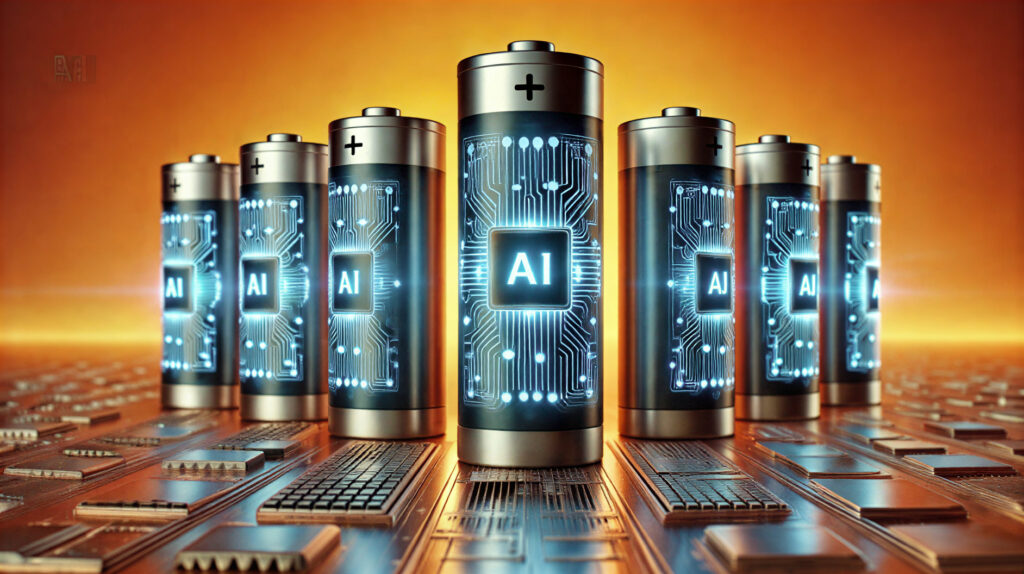
Remember when you had to carry power banks everywhere, anxiously watching your battery percentage drop throughout the day? That era is ending in 2026, thanks to artificial intelligence. Smartphone battery technology has evolved from simply increasing capacity to intelligently managing every watt of power through sophisticated AI systems.
The problem wasn’t just small batteries—it was inefficient power management. Traditional phones wasted energy on unnecessary background processes, inefficient charging, and uniform power distribution regardless of actual needs. AI has changed this fundamentally by creating personalized, adaptive power management that understands how you use your phone and optimizes accordingly.
In 2026, AI smartphone battery optimization has become the standard, not the exception. These systems don’t just react to low battery situations—they predict, prevent, and optimize power usage proactively. Whether you’re a heavy gamer, a student with long study sessions, or a professional needing all-day reliability, AI ensures your phone lasts as long as you need it to. To understand how this fits into the broader AI revolution in smartphones, check out our guide on How AI Works Inside Smartphones: Real-Life Features You Use Every Day (2026).
How AI Understands Your Phone Usage Patterns
The foundation of intelligent battery management is understanding—your phone’s AI doesn’t just see percentages and apps, it comprehends your lifestyle, habits, and needs.
Daily Habits Tracking
Your smartphone’s AI observes and learns from your daily routine without invading your privacy. It notes:
- When you wake up and go to sleep
- Your commute patterns and typical routes
- Work hours versus leisure time
- Which days are busy versus relaxed
- Your charging habits and locations
This learning happens entirely on-device, meaning your personal patterns never leave your phone. After about a week of observation, the AI builds a reliable map of your energy needs throughout the day.
App Behavior Learning
Different apps have different power personalities, and AI understands this intimately:
Social Media Apps: Learn when you typically scroll and pre-load content accordingly
Navigation Apps: Prepare maps and routes before your usual commute times
Work Apps: Optimize performance during work hours, conserve power otherwise
Entertainment Apps: Allocate resources based on your viewing/listening patterns
The AI also learns which apps you use together—like opening email followed by calendar, or maps followed by music—and optimizes their collective power consumption.
Smart Background Control
Traditional battery saving simply restricted all background activity. AI is more nuanced:
Priority-Based Management: Important apps (like messaging) maintain background access, while less critical apps are restricted
Timed Wake-Ups: Apps only refresh in the background when you’re likely to use them
Network Optimization: Reduces cellular network searching when you’re consistently on Wi-Fi
Location Intelligence: Manages GPS usage based on your actual movement patterns
AI-Powered Smart Charging Technology
Charging has evolved from a simple power transfer to an intelligent conversation between your phone and charger, with AI acting as the translator.
Overcharging Protection
Lithium-ion batteries degrade fastest when kept at 100% charge for extended periods. AI solves this through:
Adaptive Charging: Learns when you typically unplug your phone and completes charging just before that time
Charge Limiting: Some systems stop at 80-90% overnight, completing to 100% only before you wake up
Temperature Management: Adjusts charging speed based on battery temperature to prevent heat damage
Irregular Schedule Handling: Adapts to changes in your routine without compromising battery health
Battery Health Improvement
AI doesn’t just extend daily battery life—it extends your battery’s lifespan:
Degradation Prediction: Analyzes charging patterns and usage to predict when battery capacity might drop
Maintenance Suggestions: Recommends charging habits that could extend battery life
Health Monitoring: Tracks battery health metrics and alerts you to significant changes
Cycle Optimization: Manages charge cycles to maximize long-term capacity retention
Night Charging Optimization
Overnight charging has transformed from a necessary evil to an optimization opportunity:
Sleep Pattern Learning: Detects when you’re actually asleep versus just in bed
Gradual Charging: Charges slowly during deep sleep phases to minimize stress on the battery
Morning Preparation: Ensures your phone is fully charged and optimized for your morning routine
Power Saving Sync: Performs updates and backups during charging to avoid daytime battery drain
Real-Time Power Management with AI
While traditional power saving works in broad strokes, AI operates with surgical precision, making micro-adjustments throughout the day.
Auto Brightness Control
Modern AI-powered brightness goes beyond ambient light sensors:
Content-Aware Adjustment: Brighter for videos and games, dimmer for reading
User Preference Learning: Remembers your manual adjustments in similar lighting conditions
Eye Comfort Optimization: Adjusts based on time of day to reduce eye strain while saving power
Activity-Based Settings: Different brightness levels for different activities (indoor vs outdoor use)
App Sleep Mode Intelligence
Not all app sleep is created equal. AI categorizes and manages apps based on their importance and your usage:
Essential Apps: Always available with minimal restrictions
Frequent Apps: Kept in light sleep for quick awakening
Rarely Used Apps: Put into deep hibernation
Seasonal Apps: Recognizes apps used only at certain times (like holiday shopping apps)
Processor Load Control
AI manages your phone’s brainpower as efficiently as possible:
Usage Prediction: Prepares CPU/GPU resources before you launch demanding apps
Thermal Prevention: Reduces performance preemptively to prevent overheating (which increases power consumption)
Efficiency Core Prioritization: Uses lower-power cores for everyday tasks, reserving high-performance cores for when needed
Game-Specific Optimization: Creates power profiles for different game types
Benefits for Different User Groups
AI battery optimization isn’t one-size-fits-all—it adapts to provide maximum benefits for different lifestyles.
For Students
- All-Day Study Sessions: Phones last through lectures, library time, and study groups
- Exam Period Optimization: Recognizes increased study time and optimizes accordingly
- Campus Navigation: Efficient GPS usage for finding classrooms and facilities
- Group Project Support: Manages power during extended collaboration sessions
For Gamers
- Extended Play Sessions: Optimizes performance without sacrificing battery life
- Heat Management: Prevents throttling that reduces gaming performance
- Streaming Optimization: Efficient power use during game streaming
- Tournament Mode: Maximum performance with intelligent power allocation
For Professionals
- Meeting Day Endurance: Ensures battery lasts through back-to-back meetings
- Travel Optimization: Efficient power use during flights and conferences
- Work-Life Balance: Different optimization for work hours versus personal time
- Presentation Mode: Optimizes power for extended screen-on time during presentations
For Travelers
- Offline Navigation: Efficient GPS and map usage in areas with poor connectivity
- Photo/Video Optimization: Manages camera power for capturing memories
- International Travel: Adapts to different time zones and usage patterns
- Airplane Mode Intelligence: Suggests when to use airplane mode based on connectivity

Smartphones Using AI Battery Systems in 2026
AI battery optimization is no longer exclusive to flagship phones. Here’s how different segments implement these technologies:
Flagship Phones ($700+)
Advanced Features:
- Predictive charging that adapts to irregular schedules
- Cross-device power management (with watches, earbuds)
- Real-time power allocation based on app content
- Battery health prediction and maintenance suggestions
Examples: Google Pixel 8 Pro with Adaptive Battery, Samsung Galaxy S24 Ultra with AI Power Management, iPhone 16 Pro with Smart Battery System
Mid-Range Phones ($400-700)
Balanced Implementation:
- Daily routine learning and optimization
- Basic adaptive charging
- App usage-based power management
- Smart background control
Examples: OnePlus Nord CE 4, Samsung Galaxy A55, Xiaomi Redmi Note 14 Pro
Budget Phones ($200-400)
Essential Features:
- Basic usage pattern recognition
- App hibernation for unused apps
- Efficient charging management
- Power saving suggestions
Examples: Motorola Moto G Power 2026, Realme Narzo 60, Tecno Spark 11
The democratization of AI battery technology means even budget-conscious buyers can benefit from intelligent power management. For those specifically looking for affordable options with good battery life, check out our guide to Best Budget Smartphones in 2026.
Future of AI & Smartphone Battery Technology
The evolution of AI battery optimization is just beginning. Here’s what’s coming next:
Self-Learning Batteries
Future batteries might include embedded AI chips that learn charging patterns and optimize chemical processes in real-time, potentially extending lifespan by 50-100%.
Predictive Energy Management
Phones will anticipate your entire day’s energy needs and allocate power accordingly, potentially suggesting charging times and durations based on your schedule.
Cross-Device Energy Sharing
Your phone, watch, earbuds, and other devices will share power intelligently based on which you’re using most at any given time.
Green Energy Optimization
AI will optimize charging times based on when renewable energy is most available on the grid, and manage power usage to minimize environmental impact.
Haptic Feedback Efficiency
Advanced haptic systems will use AI to provide meaningful feedback while minimizing power consumption from vibration motors.
Display Technology Integration
AI will work with next-gen display technologies (like micro-LED and advanced OLED) to optimize each pixel’s power consumption based on content.
Conclusion: Smarter Technology, Longer Battery Life
AI smartphone battery optimization in 2026 represents a fundamental shift in how we think about mobile power. We’re moving from brute force solutions (bigger batteries) to intelligent systems that understand and adapt to our needs.
The impact is profound:
- Reduced E-Waste: Longer battery lifespan means fewer phones discarded due to battery issues
- Improved User Experience: No more constant battery anxiety or carrying multiple chargers
- Environmental Benefits: More efficient power use reduces overall energy consumption
- Accessibility: Consistent battery performance helps users with different needs and abilities
As AI continues to evolve, we can expect even more sophisticated power management that becomes increasingly invisible to users—working so seamlessly that we forget about battery life entirely. For more insights into how AI is making smartphones smarter in various ways, explore our article on How AI Personalization Is Making Smartphones Smarter in 2026.
The future of smartphone batteries isn’t just about lasting longer—it’s about working smarter, adapting better, and serving users more effectively. In 2026, that future is already here.
FAQs (SEO Boost)
Q1: Does AI really improve battery life significantly?
Yes, modern AI battery optimization can extend usable battery life by 20-40% compared to traditional power management. The improvement comes from personalized optimization rather than generic power saving.
Q2: Is AI battery optimization safe for privacy?
Modern systems process all learning data on-device, meaning your usage patterns never leave your phone. The AI learns locally and applies optimizations without sharing personal data.
Q3: Which phones use the best AI power management in 2026?
Flagship phones from Google, Samsung, and Apple lead in AI battery optimization, but even mid-range phones from brands like Xiaomi, OnePlus, and Motorola now offer sophisticated AI power management features.
Q4: How long does it take for AI to learn my usage patterns?
Most systems take 5-7 days to establish reliable patterns, with continuous refinement over 2-3 weeks. The learning period is designed to be as unobtrusive as possible.
Q5: Can I disable AI battery optimization if I don’t like it?
Yes, all modern smartphones allow you to disable or customize AI battery features. However, most users find the optimizations helpful and non-intrusive once the learning period is complete.
Q6: Does AI battery optimization work with all charging methods?
Yes, AI optimization works with wired charging, wireless charging, and even reverse wireless charging. The system adapts its optimization based on the charging method being used.

Baqir Ali is the Founder of Baqir Digital Hub and a passionate SEO, AI, and Blogging specialist. With years of experience in digital marketing, he helps beginners and professionals grow online using smart content strategies, AI tools, and SEO best practices. His mission is to simplify technology and help people build sustainable online income.