
Discover how AI Makes Smartphones More Accessible in 2026 helps users with vision, hearing, speech, and mobility challenges — plus smart features for seniors and students. Today, smartphones are built for everyone, and artificial intelligence (AI) is the driving force behind this transformation.
AI accessibility in smartphones 2026 is not just about helping people with disabilities—it’s about creating devices that adapt to different abilities, ages, and situations. Whether someone has vision loss, hearing challenges, limited mobility, or is simply aging, AI ensures smartphones remain usable, empowering, and inclusive.
Instead of users adjusting themselves to technology, technology now adjusts itself to users. This shift represents one of the most significant advancements in consumer technology—a move from exclusive devices to inclusive companions that understand and accommodate human diversity. For a broader understanding of how AI is transforming smartphones, check out our comprehensive guide on How AI Works Inside Smartphones: Real-Life Features You Use Every Day (2026).
What Is AI Accessibility in Smartphones?
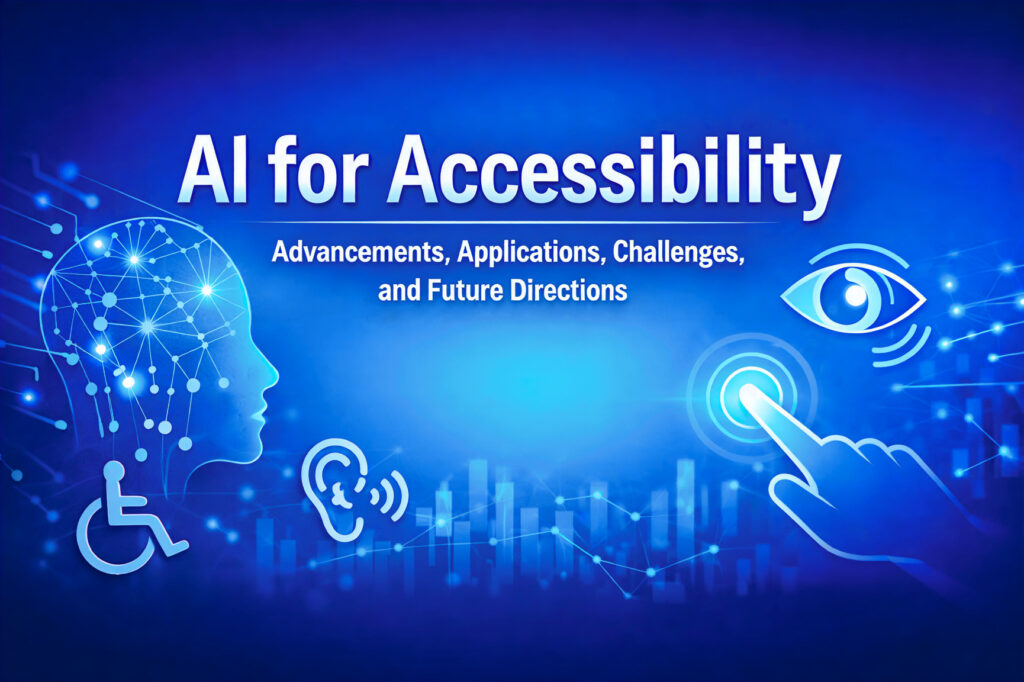
AI accessibility refers to intelligent features that help users interact with smartphones more easily and naturally, regardless of physical or cognitive limitations. Traditional accessibility relied on manual settings like font size or contrast. AI goes much deeper by creating dynamic, context-aware assistance systems that learn from individual users and adapt in real-time.
Key Difference: Accessibility vs Personalization
- Personalization adapts the phone to preferences (like app arrangement or color themes)
- Accessibility adapts the phone to abilities (making core functions usable regardless of limitations)
AI continuously learns user behavior and provides real-time assistance, not static tools. While personalization enhances experience, accessibility ensures basic functionality for everyone. To learn more about how personalization works, explore our detailed article on How AI Personalization Is Making Smartphones Smarter in 2026.
Example:
A traditional phone magnifies text when manually activated. An AI-powered phone understands when magnification would be helpful, automatically adjusts based on lighting conditions, describes images in context, reads emotions in voices during calls, and adapts interaction methods to the user’s current capabilities—all without manual intervention.
AI for Visual Accessibility
Visual impairment no longer means limited smartphone access. AI has transformed how users with vision challenges interact with their devices, creating a more intuitive and independent experience.
AI Screen Readers
Modern AI screen readers have evolved from simple text-to-speech tools to sophisticated contextual interpreters. Instead of reading everything blindly, they:
- Understand page structure and semantic meaning
- Skip irrelevant elements like decorative images
- Emphasize important content based on user habits
- Provide intelligent navigation through complex interfaces
These systems can now accurately interpret apps, websites, menus, and buttons, understanding not just what text says but what it means in context. For example, an AI screen reader can distinguish between a “Buy Now” button and a “Learn More” link based on surrounding content and user intent.
AI Image & Scene Description
AI-powered visual interpretation goes beyond simple object recognition. Modern systems can describe:
- Photos in personal galleries with emotional context
- Videos with action and scene changes
- Live camera views with environmental awareness
For example, the phone can say: “You are standing in front of a building entrance with two steps and a glass door. There’s a handrail on the left side.” This real-time visual interpretation dramatically improves independence and safety for visually impaired users.
Apple’s own May 2026 accessibility announcement confirms this direction — VoiceOver’s new Image Explorer uses on-device AI to give detailed, real-time descriptions of what’s in front of the camera, letting users ask natural follow-up questions about their surroundings.
AI for Hearing Accessibility
Hearing challenges no longer isolate users from audio-based smartphone experiences. AI has created sophisticated alternatives that make auditory information accessible through visual and tactile means.
Live Captioning
AI generates real-time captions for various audio sources:
- Phone calls with speaker identification
- Videos with emotion and tone indicators
- In-person conversations using the microphone
- Media playback with automatic language detection
These captions work offline, support multiple languages and dialects, and can even recognize regional accents. Advanced systems now include speaker differentiation, emotional tone indicators, and background sound descriptions.
Sound Recognition Alerts
AI identifies important environmental sounds such as:
- Doorbells and knocking
- Fire alarms and smoke detectors
- Baby crying or distress sounds
- Vehicle horns and emergency sirens
- Kitchen timers and appliance alerts
Instead of relying on sound, users receive visual alerts, customized vibrations, or wearable notifications. This technology improves safety, awareness, and independence for hearing-impaired users.
AI for Speech & Communication Support
Communication barriers are breaking down thanks to AI systems that understand and assist with speech challenges. These technologies empower users who struggle with verbal expression to communicate confidently and effectively.
AI helps users with speech or language difficulties by offering:
- Intelligent voice typing that understands atypical speech patterns
- Grammar and syntax correction that improves clarity
- Sentence prediction that reduces typing effort
- Emotion-aware responses that help convey tone
Some systems even adapt to individual speech impairments, improving recognition accuracy over time as they learn specific speech patterns. For users with conditions like ALS, Parkinson’s, or speech apraxia, these AI tools can be life-changing, restoring the ability to communicate independently.
AI for Motor & Mobility Challenges
Physical interaction with smartphones has been completely reimagined for users with motor challenges. AI has created multiple alternative control methods that bypass traditional touch requirements.
AI accessibility has transformed physical interaction with smartphones through features including:
- Gesture-based navigation using camera recognition
- Eye-tracking control for hands-free operation
- Adaptive touch sensitivity for users with tremor or limited precision
- Head movement control for users with limited hand mobility
- Voice command layers for complex task automation
For users with conditions like cerebral palsy, spinal cord injuries, or arthritis, smartphones can be fully operated using voice, eye movements, minimal gestures, or adaptive switches. These systems learn individual movement patterns and optimize recognition for maximum reliability.
AI-Powered Voice Assistants
Modern voice assistants have evolved from simple command processors to conversational partners that understand context, memory, and user needs. For accessibility users, they often replace physical interaction completely.
Today’s AI assistants can:
- Understand natural, conversational language instead of rigid commands
- Remember preferences and context across conversations
- Perform complex, multi-step tasks automatically
- Adapt to speech patterns and language abilities
- Provide proactive assistance based on routine and context
For users with mobility, vision, or dexterity challenges, voice assistants serve as the primary interface with their devices. They can manage everything from sending messages and making calls to controlling smart home devices and accessing information—all through natural conversation.
AI Accessibility for Elderly Users
AI plays a crucial role in helping senior users stay connected, safe, and independent while navigating the digital world. These systems recognize that aging brings changing abilities and adapt accordingly.
Features specifically designed for elderly users include:
- Simplified interfaces that reduce cognitive load
- Medication reminders with dosage and timing
- Emergency detection that alerts caregivers to unusual patterns
- Memory assistance for appointments and important information
- Social connection prompts to combat isolation
- Health monitoring integration with wearable devices
Phones can automatically detect changes in routine (like missed medication or unusual inactivity) and alert designated family members or caregivers. These systems respect privacy while providing safety nets for vulnerable users. For more insights on smartphones designed for specific user groups, see our guide to the Best Smartphones for Students in 2026, which also covers features useful for elderly users.
AI Accessibility for Students
Students with learning challenges benefit massively from AI-powered educational support that adapts to individual learning styles and needs. These tools help level the academic playing field.
AI supports students with diverse learning needs through:
- Reading assistance with customizable text-to-speech
- Writing improvement with context-aware grammar and style suggestions
- Focus and concentration tools that minimize distractions
- Organization systems that help with planning and task management
- Comprehension aids that simplify complex concepts
Text-to-speech, speech-to-text, and smart summarization tools help students learn in ways that suit them best. AI can also identify learning patterns and suggest personalized strategies for improvement, acting as a 24/7 educational assistant.
Budget vs Flagship Phones – Accessibility Comparison
Budget Phones ($200-400)
- Basic screen readers and magnification
- Live captions for media and calls
- Simple AI voice typing and commands
- Essential sound recognition
- Manual accessibility settings
Mid-Range Phones ($400-700)
- Improved AI screen readers with context awareness
- Advanced live captioning with speaker identification
- Gesture recognition for basic navigation
- Enhanced sound recognition with custom alerts
- Some eye-tracking capabilities
Flagship Phones ($700+)
- Advanced real-time AI interpretation of visual scenes
- Sophisticated eye-tracking and gesture control
- Deep learning personalization for speech recognition
- Predictive accessibility that anticipates needs
- Seamless ecosystem integration across devices
Good news: Accessibility is no longer premium-only. Even budget phones in 2026 offer meaningful AI accessibility features that significantly improve usability. The gap between budget and flagship accessibility continues to narrow each year. For those specifically looking for affordable options, check out our comprehensive list of Best Budget Smartphones in 2026 with detailed accessibility feature comparisons.
Privacy & Ethics in AI Accessibility
Privacy is critically important when AI processes personal data related to disabilities and daily habits. Modern systems prioritize security alongside functionality.
Contemporary AI accessibility ensures:
- On-device AI processing keeps sensitive data local
- Encrypted data storage protects personal information
- Full user control over what features are active
- Transparent data usage with clear privacy policies
- Regular security updates to protect against vulnerabilities
Accessibility learning stays on the phone, not in the cloud. Users can review what data the system has learned and delete it at any time. Manufacturers have adopted strict ethical guidelines for accessibility AI, ensuring these powerful tools aren’t misused.
Limitations of AI Accessibility
Despite remarkable progress, current AI accessibility systems still face challenges that researchers and developers continue to address.
Current limitations include:
- Hardware requirements for advanced features like eye-tracking
- Occasional recognition errors in complex environments
- Learning period required for personalized adaptation
- Battery consumption of continuous AI processing
- Cost barriers for most advanced features
- Language and cultural limitations in some regions
However, these limitations are shrinking rapidly with each software update and hardware generation. What was impossible two years ago is now standard, and today’s challenges will likely become tomorrow’s solved problems. For more on how AI is optimizing smartphone battery life to support these features, see our article on How AI Improves Smartphone Battery Life in 2026.
Future of AI Accessibility in Smartphones
The future promises even more inclusive and intelligent accessibility solutions that further reduce barriers between users and technology.
Upcoming innovations include:
- Emotion-aware assistance that responds to user feelings
- Brain-computer interface research for direct neural control
- Universal design standards across all apps and services
- Predictive accessibility that adapts before challenges arise
- Cross-device continuity that maintains accessibility settings everywhere
- Community-driven improvements based on user feedback
AI is increasingly designed to remove barriers altogether, not just work around them. Future systems may anticipate accessibility needs before users even recognize them, creating truly seamless experiences for everyone. As AI continues to evolve in all smartphone aspects, learn how it’s also revolutionizing How AI Improves Smartphone Cameras in 2026, with features that benefit accessibility users too.
Is AI Accessibility Worth It in 2026?
Absolutely. The value of AI accessibility extends far beyond its original target audience, benefiting:
- Disabled users who gain independence and connection
- Elderly users who maintain autonomy and safety
- Students who overcome learning challenges
- Temporary impairment cases like injuries or surgeries
- Everyday users in difficult situations like loud environments or dark rooms
- Caregivers and families who have peace of mind
Accessibility is no longer niche—it’s mainstream usability enhancement. Features designed for specific challenges often improve the experience for all users, creating better technology for everyone.
Conclusion – Technology That Truly Includes Everyone
AI accessibility in smartphones 2026 represents one of the most meaningful technological advancements of our time. Smartphones are no longer just smart—they are empathetic, adaptive, and inclusive.
By understanding abilities instead of just limitations, AI ensures technology serves humanity equally. The future of smartphones is about being more human, more understanding, and more accessible to every person — not just faster or thinner.
This shows that real technological progress means more people can actually benefit from innovation — not just faster specs on paper.As AI continues to evolve, it carries the promise of a world where technology doesn’t exclude anyone—where every device understands that human ability comes in many forms, and all are worth designing for.

Baqir Ali is the Founder of Baqir Digital Hub and a passionate SEO, AI, and Blogging specialist. With years of experience in digital marketing, he helps beginners and professionals grow online using smart content strategies, AI tools, and SEO best practices. His mission is to simplify technology and help people build sustainable online income.